
Physiological Nutrition Explorations
Detailed examinations of protein's mechanisms in satiety and energy regulation
Research-Referenced Articles
Explore detailed explanations of the physiological mechanisms underlying nutrition and energy balance. Each article delves deeper into specific aspects of how protein influences satiety signalling and digestion.
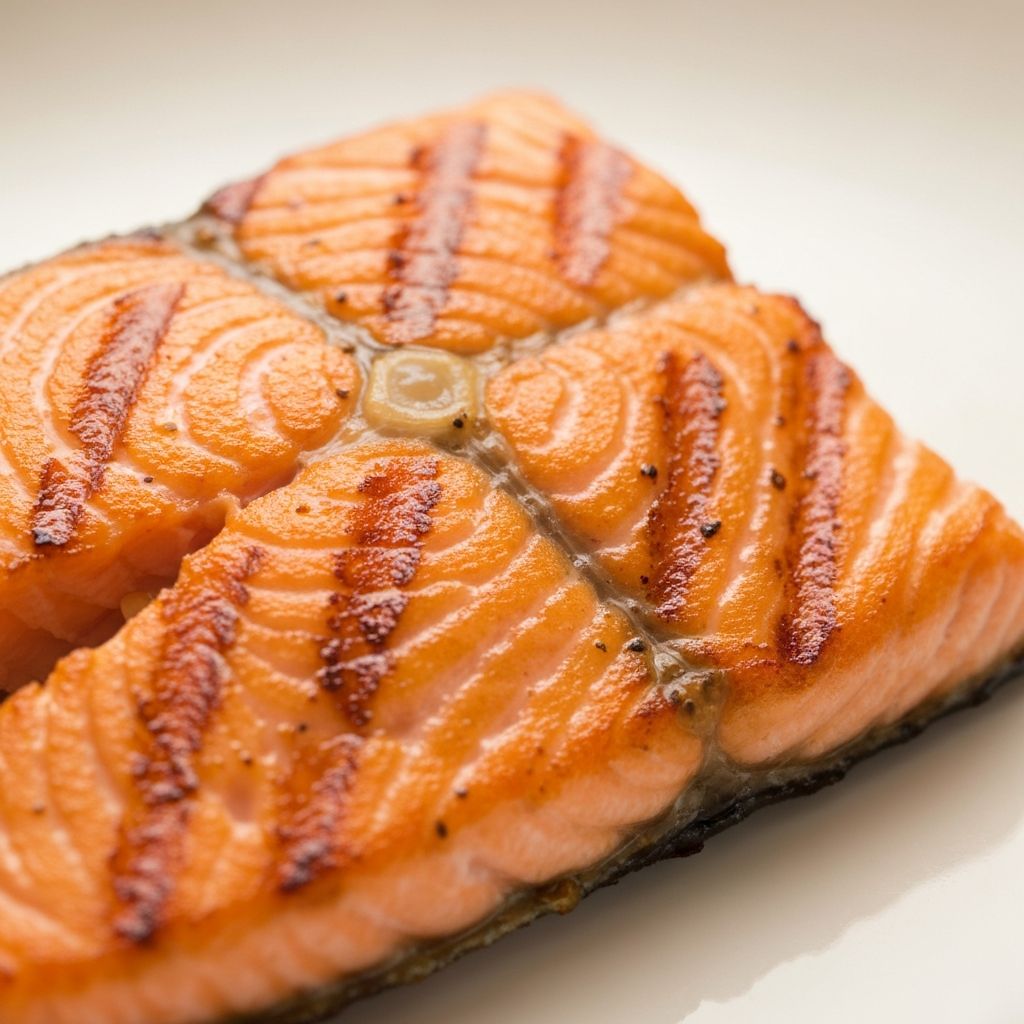
How Protein Influences Key Satiety Hormones
In-depth examination of GLP-1, CCK, and PYY: their mechanisms of release, their effects on the brain and digestive system, and how protein consumption triggers their secretion across different tissues.
Explore this mechanism →
The Thermic Effect of Food: Protein's Higher Cost
Understanding the metabolic cost of protein digestion, the biochemical pathways involved in amino acid metabolism, and why protein requires 4-6 times more energy to process than other macronutrients.
Explore this mechanism →
Gastric Emptying and Protein's Role
How protein slows the rate at which the stomach releases nutrients into the small intestine, the mechanisms behind this delay, and how prolonged gastric residence time extends satiety signalling.
Explore this mechanism →
Neural Mechanisms of Protein-Induced Fullness
The brain pathways involved in satiety, vagal signalling from the gut, and how the central nervous system integrates mechanical, hormonal, and nutrient-sensing signals into the conscious feeling of fullness.
Explore this mechanism →
Variability in Satiety Responses to Protein
Why individuals respond differently to identical protein amounts, the genetic and environmental factors influencing satiety perception, and the substantial inter-individual variation observed in research.
Explore this mechanism →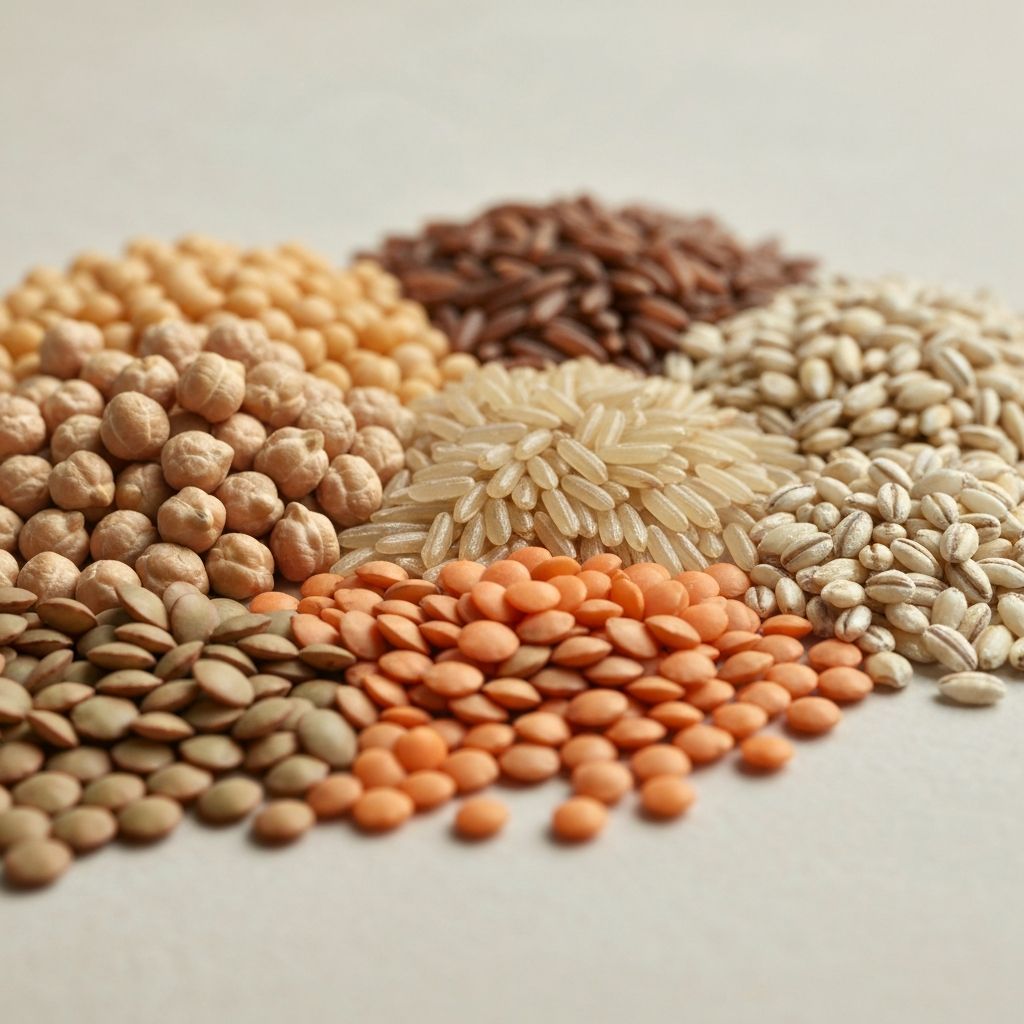
Amino Acid Profiles Across Common Protein Sources
The amino acid composition of diverse dietary proteins, essential versus non-essential amino acids, and how protein source affects nutritional context and individual amino acid intake.
Explore this mechanism →